SOAP Notes Explained: Structure, Examples, and Best Practices
By CCAI Team

Introduction
In the fast-paced environment of modern healthcare, accurate and efficient clinical documentation is more critical than ever. The foundation of this documentation is the SOAP note. As the industry standard for recording patient encounters, SOAP notes provide a highly structured, organized framework that ensures consistency across patient charts.
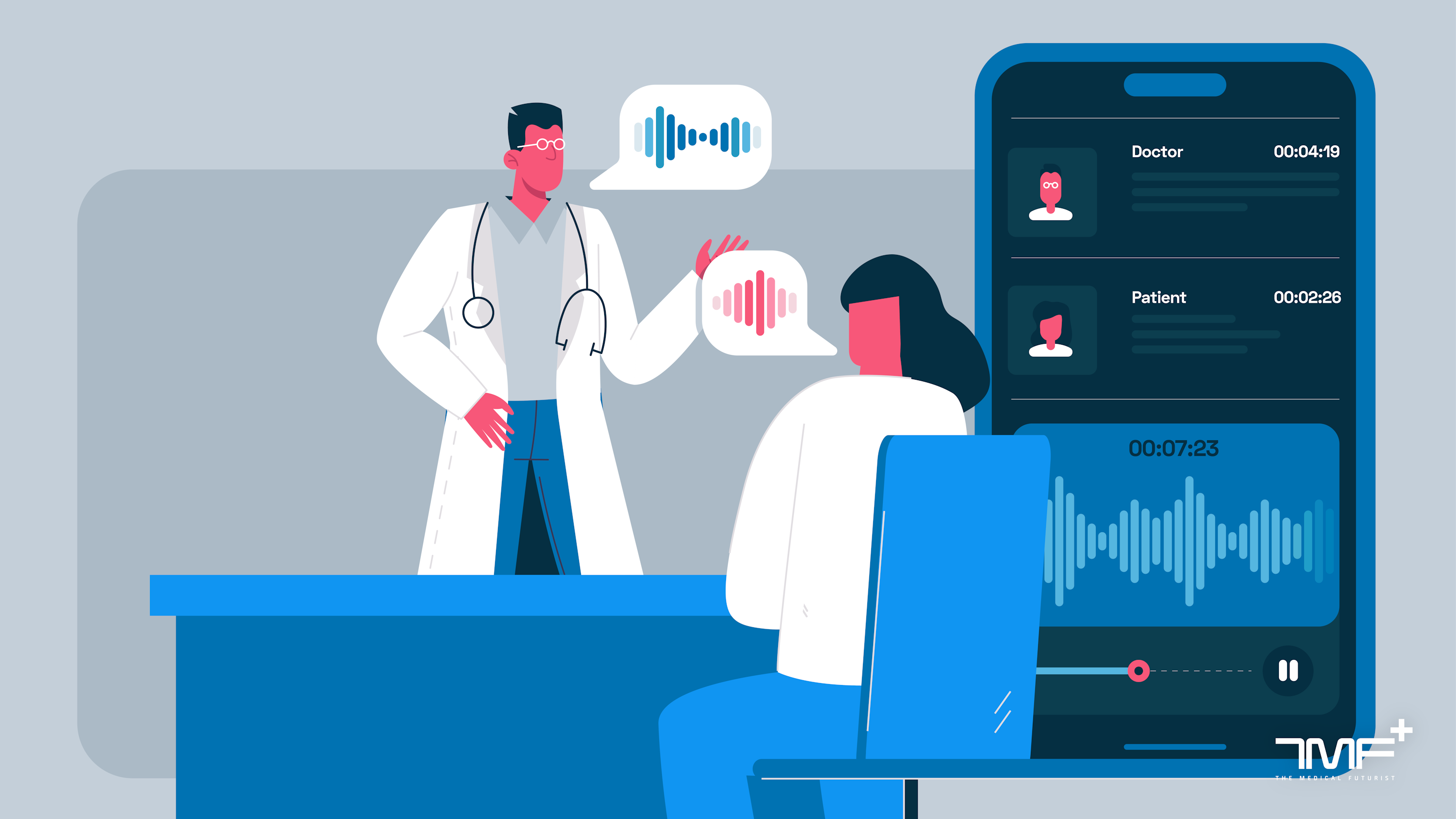
Effective SOAP notes do more than just record a patient's visit; they are essential for delivering high-quality patient care, maintaining regulatory compliance, and facilitating seamless communication among care teams. Within Electronic Health Records (EHRs), SOAP notes serve as the primary narrative of a patient's health journey. Today, with the growing documentation burden contributing to unprecedented levels of physician burnout, the healthcare industry is increasingly turning to AI-assisted clinical documentation to streamline the SOAP note creation process while maintaining exceptional accuracy.
What Are SOAP Notes?
Definition of SOAP Notes
SOAP is an acronym that stands for Subjective, Objective, Assessment, and Plan. Developed in the 1960s by Dr. Lawrence Weed as part of the Problem-Oriented Medical Record (POMR), the SOAP framework was designed to give healthcare professionals a structured, standardized way to document patient encounters and clinical reasoning. Decades later, healthcare organizations continue to rely on SOAP notes because they provide a logical, cognitive pathway from a patient's initial complaint to the final treatment plan.
Who Uses SOAP Notes?
The SOAP format is universally recognized and utilized across the healthcare spectrum. Its users include:
- Physicians documenting routine exams, acute care visits, and specialist consultations.
- Nurses recording shift assessments and patient progress.
- Nurse practitioners and Physician assistants charting patient encounters and prescribing plans.
- Physical, Occupational, and Speech Therapists tracking rehabilitation progress.
- Behavioral health professionals documenting therapy sessions and psychiatric evaluations.
- Medical students learning the fundamentals of clinical reasoning and documentation.
Why SOAP Notes Matter
SOAP notes are not just an administrative formality; they are the backbone of clinical operations. They ensure seamless clinical communication across different departments, guaranteeing continuity of care when a patient sees multiple providers. They act as legally binding legal documentation that proves the standard of care was met. Furthermore, well-written SOAP notes provide essential billing and reimbursement support by justifying the medical necessity of codes billed to insurance companies, while also generating standardized data for quality improvement initiatives.
Understanding the SOAP Note Structure
Subjective (S)
The Subjective section is the opening of the note and focuses entirely on the patient's experience and personal reporting.
What Belongs in the Subjective Section:
- Chief complaint (CC): The primary reason for the patient's visit, ideally in their own words.
- History of present illness (HPI): A detailed chronological account of the chief complaint (onset, location, duration, character, aggravating/alleviating factors).
- Patient-reported symptoms: How the patient describes their pain, feelings, or issues.
- Review of systems (ROS): A system-by-system questioning of the patient to identify any other symptoms.
- Relevant medical history: Past medical, surgical, family, and social history pertinent to the current visit.
Subjective Example: Patient states, "I have had a throbbing headache for the past three days that seems to get worse in the afternoon and is accompanied by mild nausea."
Objective (O)
The Objective section transitions from what the patient says to what the clinician observes, measures, and tests. It relies entirely on factual, quantifiable data.
What Belongs in the Objective Section:
- Vital signs: Blood pressure, heart rate, temperature, respiratory rate, oxygen saturation, weight.
- Physical examination findings: What the provider sees, hears, and feels during the exam (e.g., clear lungs, abdominal tenderness).
- Laboratory results: Blood work, urinalysis, or culture results.
- Imaging findings: X-rays, MRIs, CT scans, or ultrasounds.
- Observable clinical data: Patient affect, posture, or visible distress.
Objective Example:
- BP: 132/84 mmHg
- HR: 78 bpm
- Temperature: 98.6°F
- Neurological exam normal; no focal deficits. Mild photophobia observed.*
Assessment (A)
The Assessment section represents the clinician's medical synthesis of the Subjective and Objective data. It is the core of clinical reasoning.
What Belongs in the Assessment Section:
- Primary diagnosis: The definitive condition causing the patient's symptoms.
- Differential diagnoses: Other possible conditions being considered or ruled out.
- Clinical reasoning: A brief explanation of why the diagnosis was chosen based on the evidence.
- Progress evaluation: For follow-up visits, noting whether the patient's condition is improving, stable, or worsening.
Assessment Example: Likely tension headache based on symptom presentation, bilateral pain, and normal neurological findings. Migraine is less likely due to lack of severe aura or vomiting, though mild photophobia is noted.
Plan (P)
The Plan outlines the specific, actionable steps that will be taken to treat the patient's problem.
What Belongs in the Plan Section:
- Treatment recommendations: Therapies, procedures, or lifestyle interventions.
- Medication changes: New prescriptions, dosage adjustments, or discontinuations.
- Diagnostic testing: Orders for future labs, imaging, or specialist referrals.
- Follow-up instructions: When the patient should return or seek emergency care.
- Patient education: What the patient was advised to do at home.
Plan Example:
- Recommend increased daily hydration and stress management techniques.
- Prescribe Ibuprofen 400mg as needed for pain.
- Follow up in one week if symptoms persist or worsen; go to ER if vision changes occur.*
SOAP Note Template
Universal SOAP Note Template
Subjective:
- Chief Complaint: [Enter CC]
- HPI: [Enter history and symptom details]
- ROS: [Enter relevant review of systems]

Objective:
- Vitals: [Enter BP, HR, Temp, Weight, etc.]
- Physical Exam: [Enter observable findings]
- Diagnostics: [Enter lab or imaging results]

Assessment:
- Diagnosis: [Enter primary diagnosis]
- Rationale: [Enter clinical reasoning/progress]

Plan:
- Medications: [Enter prescriptions]
- Orders: [Enter tests/referrals]
- Education/Follow-up: [Enter patient instructions]
Turn this insight into real calls and conversions
Connect Call AI gives you pre-built AI voice agents that are ready to launch for call answering, booking, and lead conversion without setup delays or model training. And if your process is unique, we build a custom agent for your exact call flow and handle the full technical setup end-to-end.
Talk to our team
Contact Us
Tell us your goals and we will suggest the right AI call flow for your business.
Start consultation ->
Estimate cost
View Pricing
Calculate your monthly AI calling cost with pay-as-you-go pricing and request a custom quote for your call volume.
Open estimator ->
Start instantly
Try Demo
Visit our home page and see how our AI voice experience works in real-world flows.
Try live demo ->
Frequently asked questions
SOAP stands for Subjective, Objective, Assessment, and Plan. It is a standardized framework used by healthcare providers to document patient encounters in a clear, organized manner.
Related blogs

Revolutionize Your Practice: AI Orthopedic Contact Center
Learn how an AI-powered orthopedic contact center improves patient access, automates triage, streamlines intake, reduces wait times, and supports orthopedic practice efficiency.

Best Heidi AI Alternatives for Healthcare Providers in 2026
Compare the top Heidi AI alternatives in 2026. Discover how AI medical documentation platforms, ambient AI scribes, and healthcare automation tools stack up for modern providers.
AI Medical Scribe vs Human Scribe: Cost, Accuracy, and Efficiency Compared
Compare AI medical scribes and human scribes. Discover the differences in cost, accuracy, efficiency, and how to choose the right documentation solution.

AI Voice Agent in Healthcare: Scheduling, Call Routing, and Patient Communication
AI voice agents in healthcare help clinics, hospitals, and medical offices answer calls, schedule appointments, route patient requests, and reduce front desk pressure.