AI Medical Scribe vs Human Scribe: Cost, Accuracy, and Efficiency Compared
By CCAI Team
AI Medical Scribe vs Human Scribe: Cost, Accuracy, and Efficiency Compared
Introduction
- Growing documentation burden in healthcare
- Physician burnout and administrative overload
- Rise of ambient AI documentation and healthcare documentation automation
- Why healthcare organizations are evaluating AI medical scribes
- What readers will learn from this comparison
What Is an AI Medical Scribe?
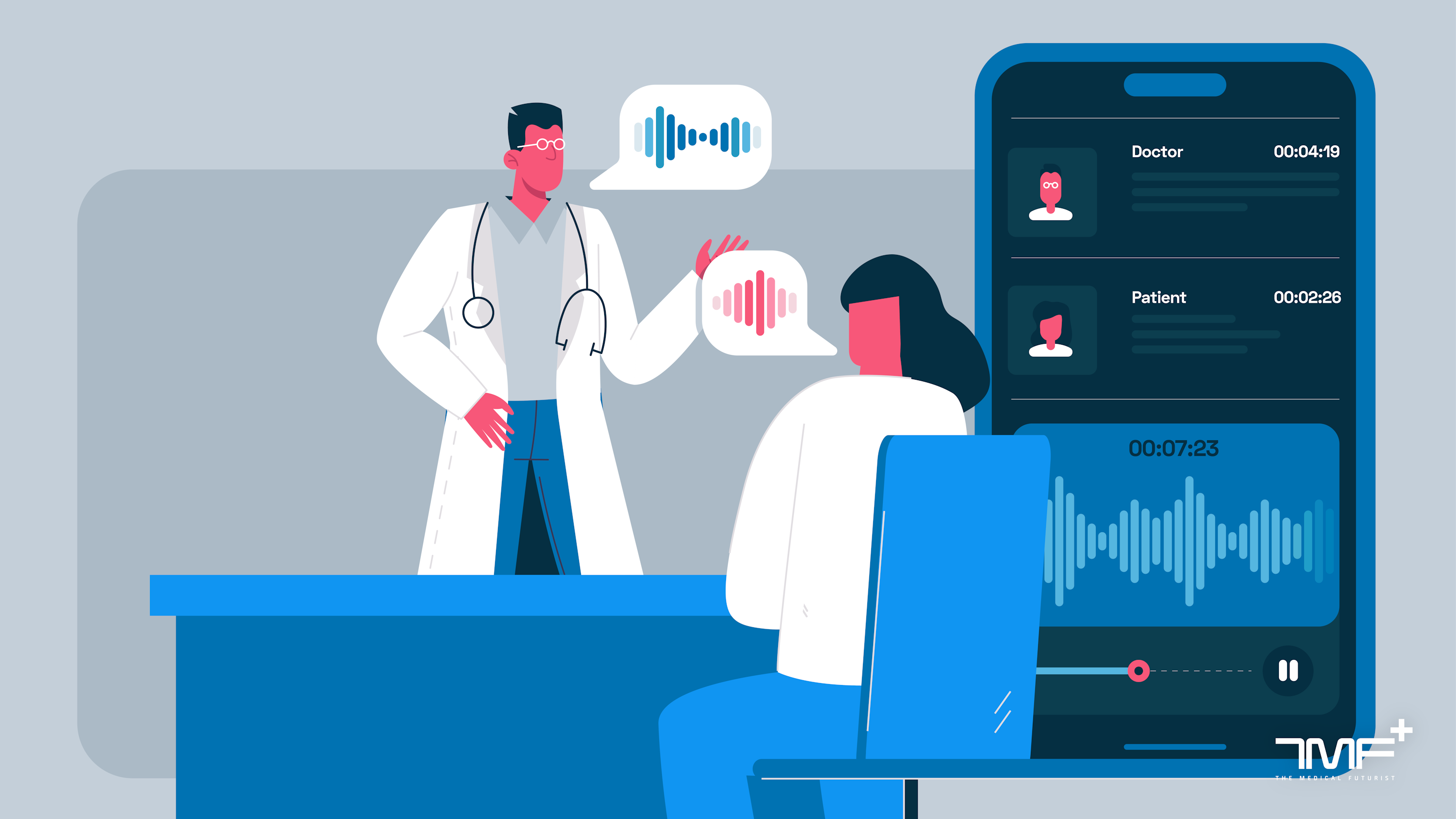
How AI Medical Scribes Work
- Ambient listening technology
- Speech recognition and NLP
- Clinical notes AI generation
- SOAP notes AI creation
- EHR integration capabilities
Types of AI Medical Scribe Solutions
- Real-time ambient AI documentation
- Post-visit documentation systems
- Specialty-specific AI scribes
What Is a Human Medical Scribe?
Traditional Medical Scribe Responsibilities
- Documentation support
- Chart preparation
- EHR management
- Physician workflow assistance
In-Person vs Virtual Medical Scribes
- Cost considerations
- Workflow differences
- Common use cases
AI Medical Scribe vs Human Scribe at a Glance
| Category | AI Medical Scribe | Human Medical Scribe |
|---|---|---|
| Cost | Lower long-term cost | Higher recurring labor cost |
| Availability | 24/7 scalability | Limited by staffing |
| Speed | Near-instant documentation | Manual documentation |
| Consistency | Standardized output | Variable by individual |
| Context Understanding | Improving but limited | Strong contextual reasoning |
| Scalability | High | Moderate |
| Training Requirements | Minimal | Ongoing |
| Human Oversight | Required | Built-in |
Cost Comparison: AI Medical Scribe vs Human Scribe
Human Scribe Costs
- Recruitment
- Training
- Turnover
- Benefits and management overhead
AI Medical Scribe Costs
- Subscription models
- Implementation expenses
- Integration costs
Long-Term ROI Analysis
- Cost per provider
- Multi-location scalability
- Enterprise healthcare economics
Accuracy Comparison
Strengths of Human Scribes
- Clinical nuance recognition
- Contextual understanding
- Clarification opportunities
Strengths of AI Medical Scribes
- Consistent documentation
- Standardized note structures
- Reduced omission risk
Current Limitations of AI
- Hallucinations
- Complex conversations
- Specialty-specific terminology
Why Physician Review Remains Essential
- Compliance requirements
- Patient safety considerations
- Final documentation responsibility
Efficiency and Productivity Comparison
Documentation Speed
- Real-time note generation
- Reduced administrative workload
Impact on Physician Burnout
- Reduced after-hours charting
- Improved clinician experience
Patient Experience Benefits
- Increased physician eye contact
- Better engagement
- Improved communication
Compliance, Security, and HIPAA Considerations
Human Scribe Compliance Risks
AI Documentation Compliance Requirements
Data Governance Best Practices
- Encryption
- Audit trails
- Access controls
- Consent management
Which Healthcare Organizations Benefit Most from AI Medical Scribes?
Private Practices
Multi-Specialty Clinics
Large Health Systems
Telehealth Organizations
Situations Where Human Scribes May Still Be Preferred
Highly Complex Cases
Training Environments
Specialized Clinical Workflows
The Rise of Ambient AI Documentation
Why Ambient AI Is Transforming Clinical Documentation
Key Trends Shaping the Future
- Generative AI
- Healthcare automation
- Intelligent clinical workflows
- EHR-native AI assistants
How to Choose Between an AI Medical Scribe and a Human Scribe
Questions Healthcare Leaders Should Ask
- Budget considerations
- Documentation volume
- Specialty requirements
- Compliance requirements
- Technology readiness
Hybrid Models
- Combining AI and human oversight
- Best-of-both-worlds approach
Why Healthcare Organizations Are Exploring AI-Powered Documentation Solutions
- Need for scalability
- Rising labor costs
- Burnout reduction initiatives
- Workflow optimization goals
- Brief mention of Healthcare AI Solutions from CCAI as part of the broader movement toward intelligent healthcare automation and clinical workflow transformation.
Conclusion
- Summary of key findings
- AI scribes excel in scalability, speed, and cost efficiency
- Human scribes remain valuable for nuanced clinical support
- Future likely involves AI-assisted documentation with clinician oversight
- Final call-to-action encouraging healthcare leaders to evaluate modern healthcare AI solutions
Turn this insight into real calls and conversions
Connect Call AI gives you pre-built AI voice agents that are ready to launch for call answering, booking, and lead conversion without setup delays or model training. And if your process is unique, we build a custom agent for your exact call flow and handle the full technical setup end-to-end.
Talk to our team
Contact Us
Tell us your goals and we will suggest the right AI call flow for your business.
Start consultation ->
Estimate cost
View Pricing
Calculate your monthly AI calling cost with pay-as-you-go pricing and request a custom quote for your call volume.
Open estimator ->
Start instantly
Try Demo
Visit our home page and see how our AI voice experience works in real-world flows.
Try live demo ->
Frequently asked questions
AI medical scribes and human scribes excel in different areas of accuracy. AI scribes are incredibly accurate at transcribing exact phrasing, ensuring no spoken details are omitted, and applying consistent, standardized formatting. However, human scribes are currently better at understanding complex clinical nuances, reading non-verbal cues, and filtering out irrelevant small talk. While AI hallucinations (invented or misinterpreted information) can occasionally occur, modern AI scribes are highly reliable. Regardless of whether a human or AI is used, final review and sign-off by the attending physician is always required.
Related blogs

Revolutionize Your Practice: AI Orthopedic Contact Center
Learn how an AI-powered orthopedic contact center improves patient access, automates triage, streamlines intake, reduces wait times, and supports orthopedic practice efficiency.

AI Medical Scribes: Transforming Healthcare Efficiency
Learn how AI medical scribes reduce charting time, improve clinical documentation, support EHR workflows, protect patient privacy, and help reduce physician burnout.

Heidi AI vs Sully AI: The Ultimate AI Tools Comparison
Compare Heidi AI and Sully AI for ambient clinical documentation, including note accuracy, templates, EHR integration, pricing, HIPAA compliance, and clinician workflow fit.

Best Heidi AI Alternatives for Healthcare Providers in 2026
Compare the top Heidi AI alternatives in 2026. Discover how AI medical documentation platforms, ambient AI scribes, and healthcare automation tools stack up for modern providers.