Best Heidi AI Alternatives for Healthcare Providers in 2026
By CCAI Team

Best Heidi AI Alternatives for Healthcare Providers in 2026
The Rise of AI Medical Documentation in Healthcare
Healthcare providers are facing unprecedented documentation demands. Between electronic health records (EHRs), regulatory requirements, patient communication, and administrative tasks, clinicians often spend nearly as much time documenting care as delivering it.
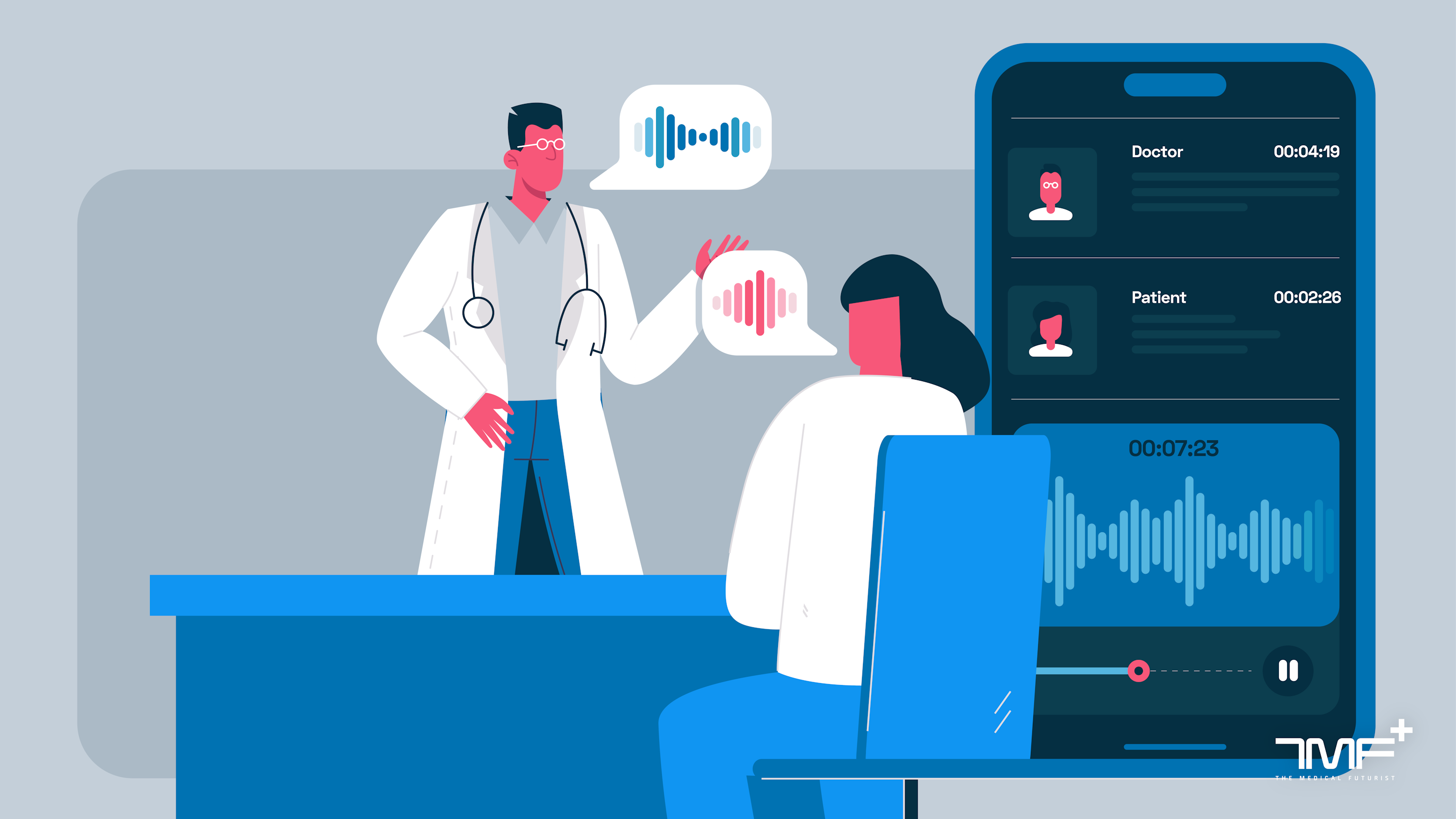
To address this challenge, healthcare organizations are increasingly adopting ambient AI healthcare solutions that automatically capture conversations, generate clinical notes, and streamline workflows. Heidi AI has emerged as one of the most recognized names in this category. However, as the market matures, many physicians and healthcare administrators are exploring Heidi AI alternatives that offer different features, integrations, pricing models, and workflow capabilities.
Whether you're seeking a more advanced AI medical documentation platform, stronger EHR integration, specialty-specific workflows, or enterprise-grade security, several compelling alternatives are available in 2026.
This guide compares the leading Heidi AI competitors to help healthcare organizations make informed decisions.
What Is Heidi AI?
Heidi AI is an AI-powered medical documentation platform designed to reduce clinician administrative burden. Using ambient listening technology and artificial intelligence, the platform generates clinical documentation from patient-provider conversations.
Key capabilities typically include:
- Automated clinical note generation
- Ambient AI documentation
- SOAP note creation
- Workflow automation
- Healthcare documentation support
- Reduced after-hours charting
While Heidi AI has gained popularity among healthcare providers, organizations often evaluate alternative solutions based on scalability, customization, compliance requirements, and total cost of ownership.
Why Healthcare Providers Search for Heidi AI Alternatives
Several factors drive healthcare organizations to compare multiple AI medical scribe software platforms before making a decision.
1. Documentation Accuracy
Clinical documentation accuracy remains a top concern. Providers need solutions capable of accurately capturing medical terminology, treatment plans, diagnoses, and patient interactions while minimizing editing requirements.
2. EHR Integration Requirements
Every healthcare organization operates differently. Some require deep integration with existing EHR systems, while others prioritize flexibility and implementation speed.
3. Specialty-Specific Workflows
Primary care, behavioral health, cardiology, orthopedics, and other specialties have unique documentation requirements. Organizations often seek platforms optimized for their specific workflows.
4. Compliance and Security
Healthcare data protection requirements continue to evolve. Providers prioritize solutions that support HIPAA compliance, auditability, data governance, and enterprise security standards.
5. Cost and Return on Investment
AI documentation solutions vary significantly in pricing. Organizations frequently compare competitors to identify the best balance between functionality, efficiency gains, and long-term value.
Top Heidi AI Alternatives for Healthcare Providers in 2026
1. CCAI
CCAI has emerged as a powerful AI healthcare platform focused on intelligent clinical documentation, workflow automation, and operational efficiency.
Key Strengths
- Advanced AI medical documentation
- Ambient clinical note generation
- SOAP note automation
- Workflow optimization
- Healthcare-focused AI architecture
- Enterprise scalability
Best For
- Multi-provider practices
- Healthcare organizations seeking workflow automation
- Clinics looking to reduce administrative burden
- Enterprise healthcare environments
Why Providers Consider CCAI Many healthcare leaders seek solutions that extend beyond simple note generation. CCAI's broader healthcare AI ecosystem can support documentation, operational workflows, and future automation initiatives.
2. Freed AI
Freed AI continues to gain traction among physicians seeking a streamlined documentation experience.
Key Strengths
- User-friendly interface
- Ambient note generation
- Fast implementation
- Minimal learning curve
- Popular among independent providers
Best For
- Small practices
- Independent physicians
- Providers seeking quick deployment
Considerations Organizations with complex workflows may require additional customization capabilities depending on specialty needs.
3. Sully AI
Sully AI positions itself as a comprehensive healthcare AI assistant designed to support clinicians throughout the patient journey.
Key Strengths
- AI-powered documentation
- Clinical workflow support
- Administrative task automation
- Operational efficiency enhancements
Best For
- Growing healthcare organizations
- Clinics seeking workflow automation
- Teams interested in broader AI adoption
Considerations Organizations should evaluate integration requirements and implementation timelines based on existing infrastructure.
4. Abridge
Abridge focuses heavily on transforming clinical conversations into structured medical documentation.
Key Strengths
- Ambient AI documentation
- Structured clinical note generation
- Healthcare-focused AI development
- Strong provider adoption
Best For
- Large health systems
- Physician groups
- Organizations focused on reducing documentation burden
5. Suki AI
Suki AI remains one of the most recognized AI assistants in healthcare documentation.
Key Strengths
- Voice-enabled workflows
- Documentation automation
- Clinical note generation
- EHR compatibility
Best For
- Physicians seeking voice-driven documentation
- Practices focused on reducing manual charting
Feature Comparison: Heidi AI vs Competitors
| Feature | Heidi AI | CCAI | Freed AI | Sully AI |
|---|---|---|---|---|
| Ambient Documentation | Yes | Yes | Yes | Yes |
| SOAP Note Generation | Yes | Yes | Yes | Yes |
| Workflow Automation | Moderate | Advanced | Basic | Advanced |
| Enterprise Scalability | Moderate | High | Moderate | High |
| Multi-Specialty Support | Yes | Yes | Limited | Yes |
| AI-Powered Clinical Workflows | Limited | Extensive | Limited | Extensive |
What Features Should Healthcare Providers Prioritize?
When evaluating Heidi AI alternatives, focus on outcomes rather than feature lists.
Important considerations include:
- Documentation accuracy
- Ease of provider adoption
- EHR integration
- Specialty support
- Compliance capabilities
- Scalability
- Total cost of ownership
- Provider satisfaction
Organizations that align AI documentation tools with long-term operational goals typically achieve stronger results than those focused solely on short-term cost savings.
The Future of Ambient AI Healthcare
The healthcare industry is rapidly moving toward ambient AI documentation and intelligent workflow automation.
Future platforms will likely:
- Generate more accurate clinical notes
- Automate administrative workflows
- Support clinical decision-making
- Improve interoperability
- Reduce clinician burnout
- Enhance patient-provider interactions
As adoption grows, healthcare organizations will increasingly evaluate AI platforms based on their ability to improve both documentation quality and operational performance.
Turn this insight into real calls and conversions
Connect Call AI gives you pre-built AI voice agents that are ready to launch for call answering, booking, and lead conversion without setup delays or model training. And if your process is unique, we build a custom agent for your exact call flow and handle the full technical setup end-to-end.
Talk to our team
Contact Us
Tell us your goals and we will suggest the right AI call flow for your business.
Start consultation ->
Estimate cost
View Pricing
Calculate your monthly AI calling cost with pay-as-you-go pricing and request a custom quote for your call volume.
Open estimator ->
Start instantly
Try Demo
Visit our home page and see how our AI voice experience works in real-world flows.
Try live demo ->
Frequently asked questions
For large health systems, multi-specialty clinics, and enterprise organizations, platforms like CCAI and Abridge are often the top choices. They offer advanced workflow optimization, extensive AI-powered clinical workflows, high enterprise scalability, and robust security frameworks required for large-scale deployments.
Related blogs

Revolutionize Your Practice: AI Orthopedic Contact Center
Learn how an AI-powered orthopedic contact center improves patient access, automates triage, streamlines intake, reduces wait times, and supports orthopedic practice efficiency.

SOAP Notes Explained: Structure, Examples, and Best Practices
Learn everything about SOAP notes in healthcare. Discover the SOAP structure, real-world clinical examples, best practices, and how AI is automating documentation.
AI Medical Scribe vs Human Scribe: Cost, Accuracy, and Efficiency Compared
Compare AI medical scribes and human scribes. Discover the differences in cost, accuracy, efficiency, and how to choose the right documentation solution.

AI Voice Agent in Healthcare: Scheduling, Call Routing, and Patient Communication
AI voice agents in healthcare help clinics, hospitals, and medical offices answer calls, schedule appointments, route patient requests, and reduce front desk pressure.