
Future of Ambient AI: Adaptive, Contextual Tech
By CCAI Team
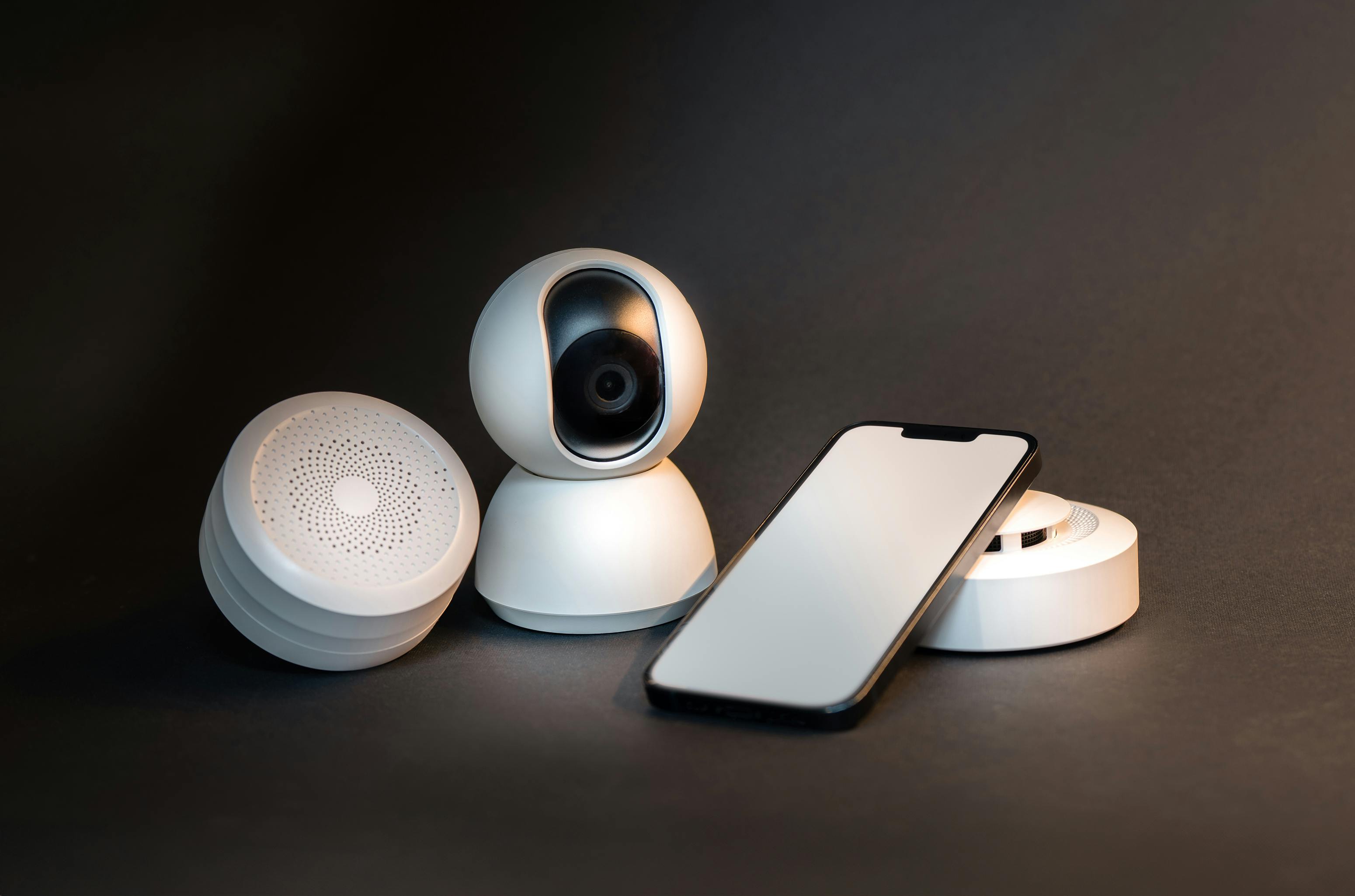
Exploring the Future of Ambient AI
Imagine walking into your home after a long, exhausting day at work. You don’t reach for a light switch, nor do you pull out your smartphone to adjust the thermostat. You don't even have to speak a command to a smart speaker. Instead, the house simply knows you are there. The lights gently illuminate to a warm, relaxing hue, the temperature adjusts to your preferred evening setting, and your favorite wind-down playlist begins to play softly in the background.
This isn't science fiction; it is the rapidly approaching reality of Ambient AI.
For decades, our relationship with technology has been highly transactional and reactive. We click a mouse, tap a screen, or issue a voice command, and the machine responds. But we are currently witnessing a massive paradigm shift. We are moving away from devices that require our constant attention and stepping into the future of zero user interfaces, where technology fades into the background, operating invisibly and intuitively.
In this comprehensive guide, we will explore the evolution of this technology, how it functions behind the scenes, its transformative real-world applications, and the ethical considerations that come with living in a truly intelligent environment.
The Paradigm Shift: Pervasive Computing vs Reactive Technology
To truly understand Ambient AI, we must first distinguish it from the "smart" technology we use today.
Current smart devices operate on a reactive model. A smart thermostat is reactive if you have to open an app to change the temperature. Even voice-activated assistants rely on a reactive framework: they sit idle until you say a wake word and issue a specific command.
Ambient AI represents a leap from reactive to proactive. It embodies the core difference between pervasive computing vs reactive technology. In a pervasive (or ubiquitous) computing environment, intelligence is woven directly into the fabric of our physical spaces. The technology anticipates your needs, acts on your behalf, and operates without requiring explicit prompts.
This is made possible through contextual AI—systems that understand not just what is happening, but why it is happening. By analyzing environmental data, historical routines, and real-time user behavior, contextual AI transforms our living and working spaces into highly intuitive environments.
Unveiling the Mechanics: How Does Ubiquitous Computing Work?
When people first encounter the concept of invisible, surrounding intelligence, a natural question arises: how does ubiquitous computing work in practice?
At its core, Ambient AI relies on a sophisticated orchestration of hardware and software. It is not powered by a single device, but by an ecosystem of interconnected technologies working in perfect harmony.
1. Context-Aware Sensing Systems
The eyes and ears of Ambient AI are context aware sensing systems. These are networks of discreet sensors that continuously monitor the physical environment. They track variables such as motion, light levels, temperature, humidity, acoustic signatures, and even the presence of specific individuals through biometrics or device proximity.
2. Sensor Fusion Technology Applications
A single sensor provides limited data. A motion sensor can tell if someone is in a room, but it cannot tell who it is or what they are doing. This is where sensor fusion technology applications come into play. Sensor fusion combines data from multiple, disparate sensors to create a comprehensive, highly accurate understanding of a situation.
For example, by combining data from a pressure sensor on a chair, a thermal camera, and an acoustic sensor, an ambient system can determine whether an individual is sitting quietly reading a book, or if they have suddenly fallen and require assistance.
3. Edge Computing Architecture for Real-Time Response
Traditional cloud computing—where data is sent to a remote server, processed, and sent back—is often too slow for the split-second decisions required by Ambient AI. Furthermore, transmitting constant streams of environmental data to the cloud poses significant privacy risks.
The solution is an edge computing architecture for real time response. Edge computing processes data locally, directly on the device or a local hub within the home or office. This ensures near-instantaneous reaction times, which is critical for safety applications, and keeps sensitive data from ever leaving the local network.
4. Advanced AI Integration
Finally, deep learning algorithms make sense of the fused, locally processed sensor data. This ai integration is what allows the system to learn from patterns over time. It transitions the network from a simple rules-based automation system into a truly adaptive technology that evolves alongside the user’s habits.
Transforming Daily Life: Real-World Applications
The promise of seamless AI is already materializing across multiple sectors. By removing the friction from our interactions with technology, Ambient AI allows us to focus on what truly matters.
Smart Homes and Proactive Virtual Assistants
In the domestic sphere, we are seeing the rise of proactive virtual assistants. Instead of waiting for a command, these assistants make predictive environmental adjustments.
- Morning Routines: The house gradually raises the window shades to wake you with natural light, aligning with your REM sleep cycle monitored by a wearable or under-mattress sensor.
- Energy Efficiency: As you move from the living room to the kitchen, the ambient system seamlessly powers down the climate control and lighting in the unoccupied space, optimizing energy usage without any manual input.
- Contextual Entertainment: Music or podcasts can seamlessly follow you from room to room, adjusting the volume based on the ambient noise level of each specific area.
Revolutionizing Healthcare and Wellness
Perhaps the most profound impact of Ambient AI will be felt in healthcare, specifically in the realm of non intrusive health monitoring.
Traditional medical monitoring often requires cumbersome wearables or frequent hospital visits. Ambient AI changes this by embedding health-tracking capabilities into the environment itself. Advanced Wi-Fi sensing technology, for instance, can bounce radio waves off a person’s body to monitor their breathing rate and heart rate while they sleep, without requiring them to wear any devices.
Furthermore, implementing smart sensors for elderly care is revolutionizing how we support aging populations. Ambient systems can allow seniors to age in place safely by learning their daily routines. If a resident normally wakes up at 7:00 AM and makes tea, but the system detects no movement by 9:00 AM, it can automatically alert a family member or caregiver. Because these systems use sensor fusion (like thermal and motion data) rather than standard optical cameras, they preserve the individual's dignity and privacy.
Enhancing the Modern Workplace
In corporate environments, the goal of Ambient AI is primarily focused on reducing cognitive load with automation. The modern worker is bombarded with notifications, emails, and manual micro-tasks that fragment concentration.
Seamless human computer interaction in the workplace might look like this:
- Meeting Rooms: As a team walks into a conference room, the ambient system recognizes the participants via their smartphones. It automatically connects the presenter's laptop to the display, dims the lights for a presentation, and launches the virtual meeting software.
- Environmental Optimization: The building adjusts the ventilation and temperature of a specific zone based on the real-time density of people in that area, ensuring optimal comfort and cognitive performance.
- Workflow Integration: Ambient systems can monitor a worker's focus states (through typing cadence or interaction with productivity apps) and automatically mute non-essential notifications during periods of deep work.
Addressing the Elephant in the Room: Privacy and Ethics
For all its incredible benefits, wrapping our physical spaces in a blanket of invisible intelligence understandably triggers alarm bells. Privacy concerns in smart environments are the single biggest hurdle to the mass adoption of Ambient AI.
The most common fear is rooted in a simple question: are smart sensors always listening?
The short answer is yes, they are often continuously monitoring the environment to detect specific triggers. However, there is a massive difference between monitoring locally and recording to the cloud.
To build trust and protect users, developers must prioritize "Privacy by Design." Here is how the industry is addressing these concerns:
- Local Processing via Edge Computing: As mentioned earlier, edge computing allows devices to analyze audio or visual data locally. The data is converted into anonymized metadata (e.g., "Person A is in the kitchen") and the raw audio/video files are instantly deleted, never reaching external servers.
- De-identified Sensors: The industry is moving away from high-definition cameras in favor of low-resolution thermal sensors, LiDAR, and radar. These technologies can detect human presence, posture, and movement with high accuracy without ever capturing a recognizable human face.
- Radical Transparency: Users must be given clear, understandable dashboards that show exactly what data is being collected, how it is being used, and the ability to easily opt-out or physically disconnect sensors.
Preparing for the Ambient Future: Actionable Strategies
Whether you are a consumer looking to upgrade your home, or a business leader planning the digital transformation of your office, preparing for an ambient future requires strategic planning.
Here are actionable Internet of Things integration strategies to ensure a smooth transition into the world of seamless technology:
- Focus on Interoperability: The biggest enemy of Ambient AI is the "walled garden." When purchasing smart devices, prioritize open standards like Matter, which ensures that devices from Apple, Google, Amazon, and Samsung can communicate locally and seamlessly. An ambient environment cannot exist if your sensors refuse to talk to your smart lights.
- Start Small and Scale: Don't try to build a fully ambient environment overnight. Start by integrating context aware sensing systems in a single room or focusing on a single pain point (like automating energy usage in a specific wing of an office).
- Audit Your Network Infrastructure: Ambient AI requires a robust, low-latency local network. Invest in high-quality mesh Wi-Fi systems or localized 5G networks to ensure that edge devices can communicate without bottlenecks.
- Prioritize Purpose Over Novelty: Just because you can automate something doesn't mean you should. The goal is reducing friction. If a piece of adaptive technology requires more effort to maintain than the manual task it replaces, it is failing its purpose. Focus on integrations that genuinely enhance comfort, safety, or productivity.
The Road Ahead: Why the Future is Invisible
The evolution of computing has always trended toward removing barriers between humans and machines. We went from punch cards, to command-line interfaces, to graphical user interfaces, to multi-touch screens, to voice commands.
The next logical step is no interface at all.
Ambient AI represents the pinnacle of this evolution. By leveraging powerful edge architectures, sophisticated sensor fusion, and ethical AI development, we are building environments that care for us, protect us, and empower us.
While challenges regarding privacy and interoperability remain, the trajectory is clear. The technology of tomorrow will not be something we carry in our pockets or stare at on our desks. It will be the very environment we walk through—an invisible, benevolent layer of intelligence that anticipates our needs and allows us to live our lives with unprecedented seamlessness.
Turn this insight into real calls and conversions
Connect Call AI gives you pre-built AI voice agents that are ready to launch for call answering, booking, and lead conversion without setup delays or model training. And if your process is unique, we build a custom agent for your exact call flow and handle the full technical setup end-to-end.
Talk to our team
Contact Us
Tell us your goals and we will suggest the right AI call flow for your business.
Start consultation ->
Estimate cost
View Pricing
Calculate your monthly AI calling cost with pay-as-you-go pricing and request a custom quote for your call volume.
Open estimator ->
Start instantly
Try Demo
Visit our home page and see how our AI voice experience works in real-world flows.
Try live demo ->
Frequently asked questions
Ambient AI is artificial intelligence embedded into physical environments so technology can sense context, anticipate needs, and respond without requiring constant user commands.