
Revolutionizing Communication: The AI Voice Agent Era
By CCAI Team
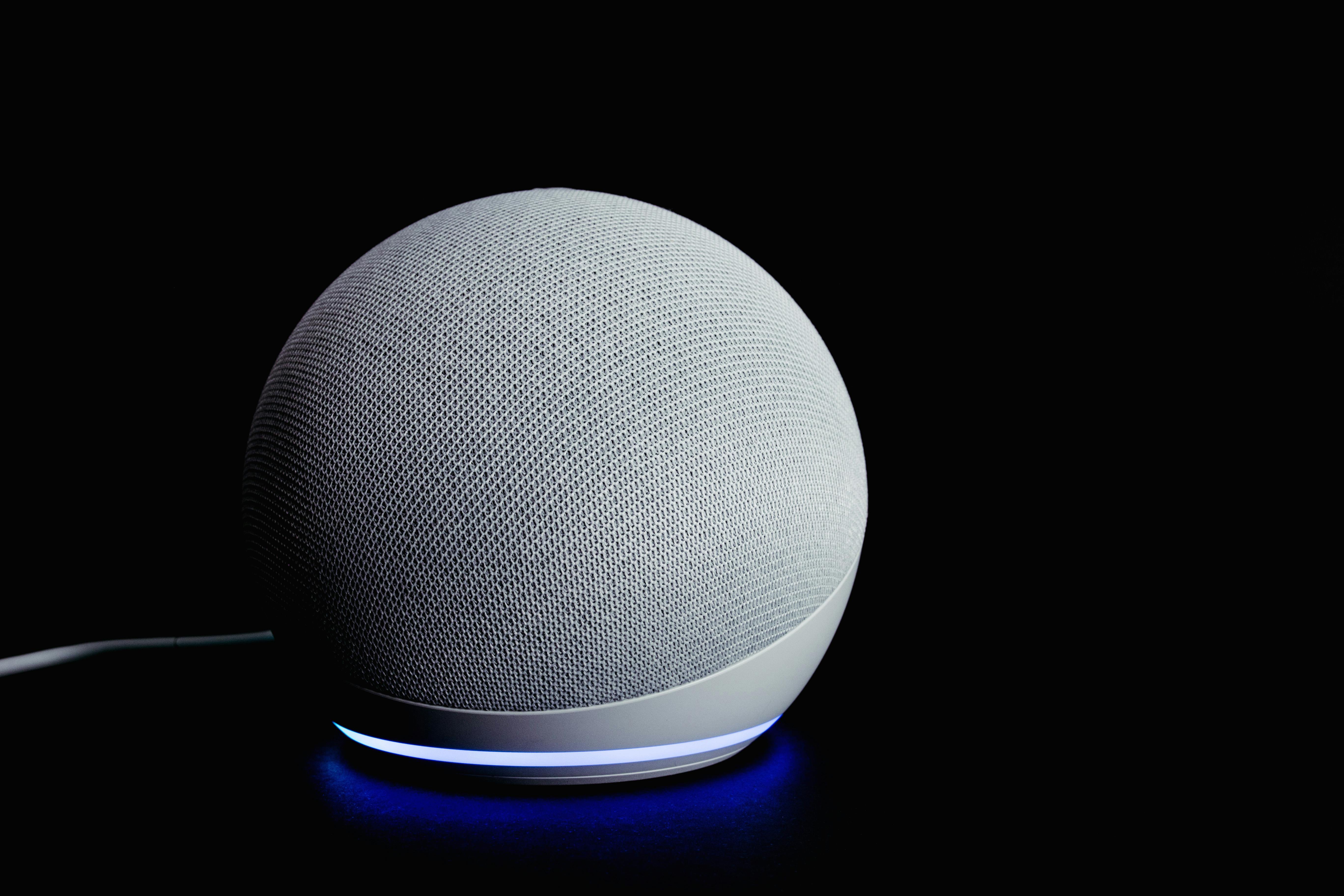
The Future of AI Voice Agents
We’ve all been trapped in "phone tree hell," desperately shouting "Representative!" at a robotic recording. According to consumer surveys, these rigid menus are a universal frustration for callers. Thankfully, the era of pressing buttons is finally ending.
Instead of relying on a recorded script, an AI voice agent acts like an expert friend. You might remember the clunky smartphone assistants of 2015, which only recognized specific keywords. Today, modern Conversational AI predicts the most helpful response in real-time, making the digital voice sound genuinely human.
What makes this leap possible? Any modern voice agent operates on a simple, lightning-fast cycle: it listens to your request, thinks about the solution, and speaks back. This digital journey happens instantly, allowing the system to handle your unexpected interruptions just like a real person would.
In practice, major brands are adopting this conversational AI for customer service to eliminate hold times completely. Having a natural chat is quickly becoming the primary way we interact with technology. Soon, managing your daily life won't require looking at a screen at all.
Beyond "Press 1 for Sales": How AI Voice Agents Actually "Think" and "Speak"
Traditional automated phone menus often failed because they required exact keyword matches. A modern AI voice assistant changes this by using a feature called Intent Recognition. Instead of hunting for specific keywords, it figures out what you actually mean, even if you stumble over your words or change your mind mid-sentence.
How does a machine pull off this digital mimicry? We already know AI uses massive amounts of data to learn patterns, and it applies that knowledge through a rapid three-step journey:
- The Ears: It listens and turns your spoken audio into readable text.
- The Brain: It uses natural language understanding in speech technology to grasp the context of your problem.
- The Voice: It acts like a super-powered autocomplete, predicting the perfect response to speak back to you.
This entire trip to a computer "brain" in the cloud and back must happen instantly to feel human. If there is a delay, you experience Latency—that awkward, unnatural pause in digital conversations. To eliminate that gap, developers rely on low-latency real-time voice synthesis. This means the computer isn't playing a pre-recorded script; it is creating brand-new, human-sounding speech on the fly in the time it takes you to blink.
Conversing with a machine that can listen, think, and reply without hesitation completely transforms how we solve daily problems. It shifts our experience from fighting with robots to getting things done quickly. In fact, this exact technology is directly responsible for ending the dreaded 20-minute hold and saving businesses countless hours.
Ending the 20-Minute Hold: How AI Call Center Voice Agents Are Saving Businesses Time
Picture calling an airline during a winter storm, bracing for an agonizing forty-minute wait. An AI call center voice agent changes that reality by answering instantly, day or night. Because these digital helpers never sleep or take lunch breaks, they completely eliminate the frustrating hold queue.
Furthermore, companies are increasingly using automated outbound calling—where the computer dials you to deliver helpful updates. You might get a conversational voice reminding you of a doctor's appointment or warning you about a delayed package, perfectly showcasing how modern AI voice agent services for businesses operate today.
This technology shines brightest when handling routine daily chores so human workers don't have to:
- Booking: Reserving a dinner table or scheduling a haircut directly over the phone.
- Troubleshooting: Walking you through a simple password reset or basic account fix.
- Lead Qualification: Asking a few quick questions to seamlessly route you to the right human expert.
- Multilingual Support: Instantly switching languages mid-sentence, allowing a local shop to help callers in Spanish or Mandarin without hiring a massive global staff.
Delegating these repetitive tasks to a machine lets human employees focus on what they do best: solving messy, complicated, or emotionally sensitive problems. One of the greatest enterprise voice automation software benefits is this exact division of labor, ensuring that when you finally need a real person, they aren't burnt out from answering the exact same basic question all morning.
Eliminating wait times is wonderful, but speed alone does not make a conversation comfortable. If the voice on the other end sounds like a monotone 1990s GPS, you won't enjoy the experience. This raises an important question: can a robot actually sound empathetic in real-time?
Can a Robot Sound Empathetic? The Science of Human-Like Tones and Real-Time Interaction
We all remember the robotic, monotone voices of older GPS systems. Today's AI voice agents do not use pre-recorded snippets at all. Instead, they use "generative speech cloning"—a technology that creates brand-new audio on the spot, much like a musician improvising a melody. Having learned from millions of human examples, the computer completely understands our natural conversational rhythm.
Making these digital interactions comfortable requires intentionally adding human-like imperfections. You might actually hear the system take a soft "breath" before answering, or pause slightly as if gathering its thoughts. These subtle details successfully transform a sterile computer transaction into a warm, natural experience.
Beyond speaking naturally, the machine actively listens to the emotion behind your words. It uses "vocal sentiment analysis"—acting like a digital mood ring that checks your pitch and speed to see if you are frustrated, rushed, or relaxed. By personalizing user experiences through this analysis, the helper can instantly soften its tone if you sound upset or speed up if you are in a hurry.
Experiencing this level of emotional intelligence from a machine is both incredibly convenient and slightly surreal. As computers become flawless at mimicking our empathy, the line between reality and software practically vanishes. This incredible realism makes our daily chores much easier, but it also means we must learn to protect ourselves when we cannot always trust our own ears.
spotting the "Fakes": How to Stay Safe in a World of Synthetic Speech Cloning
Imagine picking up the phone to hear your panicked grandson asking for emergency cash. Before you rush to the bank, take a breath. Scammers are increasingly using synthetic speech cloning—the ability to copy someone's exact tone using just a short audio clip—to power deceptive AI outbound calling agents.
Fortunately, tech companies and lawmakers are fighting back. To address the ethical considerations of synthetic speech cloning, developers are building invisible digital signatures into every legitimate voice agent. This technique, called "voice watermarking," acts like a microscopic barcode hidden inside the sound. It is designed to help phone carriers detect and block malicious, computer-generated audio before your screen even lights up.
Until these legal and technical safeguards become universal, you will need to rely on your own everyday detective skills. If an unexpected caller sounds exactly like a loved one in trouble, run through this quick verification checklist:
- Listen to the background: Real emergency calls are chaotic and noisy, whereas fake clones often feature an unnatural, studio-perfect silence.
- Ask a challenge question: Request a specific detail only your true relative would remember, like the name of a childhood neighbor.
- Establish a family safe word: Create a secret password with your loved ones today that a computer could never guess.
Protecting yourself doesn't mean you have to fear this incredible technology. By learning how to easily spot the fakes, you can safely enjoy the massive conveniences these systems offer. As we master these simple new security habits, we can confidently step into a voice-first future and prepare for a world less dependent on screens.
Your Voice-First Future: Preparing for a World Without Screens
You no longer have to dread robotic phone menus or feel tethered to a glowing screen to get things done. We are moving away from heavy screen-time into a seamless era of voice-time, where an AI voice agent simply listens, thinks, and helps. Instead of tapping through endless apps, you can just speak naturally to accomplish your daily tasks.
This technology is rapidly becoming an invisible, helpful layer in our routines. The future of hands-free smart home integration means you will soon chat with your living room as easily as you would a friend. While developers figure out how to build a voice-first assistant for every appliance, you can already leverage this shift for your personal productivity today.
You now understand this technology well enough to test it out for yourself. Take a practical step by trying out a conversational AI application, like ChatGPT's real-time voice mode. Ask it to help you practice for an upcoming interview, or have it brainstorm dinner ideas using only the ingredients left in your fridge.
Notice how different it feels when technology finally understands your actual conversational tone, pauses, and interruptions. Each time you chat with these new tools, you will build confidence and discover new ways to make your life easier. The days of shouting at machines are over, replaced by a world that is finally ready to listen.
Turn this insight into real calls and conversions
Connect Call AI gives you pre-built AI voice agents that are ready to launch for call answering, booking, and lead conversion without setup delays or model training. And if your process is unique, we build a custom agent for your exact call flow and handle the full technical setup end-to-end.
Talk to our team
Contact Us
Tell us your goals and we will suggest the right AI call flow for your business.
Start consultation ->
Estimate cost
View Pricing
Calculate your monthly AI calling cost with pay-as-you-go pricing and request a custom quote for your call volume.
Open estimator ->
Start instantly
Try Demo
Visit our home page and see how our AI voice experience works in real-world flows.
Try live demo ->
Frequently asked questions
An AI voice agent is a conversational AI system that listens to spoken requests, understands intent, and responds with natural-sounding speech in real time.
Related blogs

Top AI Answering Services for Law Firms 2026
Compare the top AI answering services for law firms in 2026, including legal intake, 24/7 call answering, Clio integrations, conflict screening, lead qualification, and client communication.

Phone Call Answering Service
Learn how phone call answering services work, compare live, AI, and hybrid options, and discover how 24/7 call answering can help your business capture more leads.

Conversational AI Phone Systems: 2026 Guide & Benefits
Learn how conversational AI phone systems work, their benefits, key features, industry use cases, implementation steps, security considerations, and 2026 trends.

Boost Customer Service with AI Receptionists for Small Businesses
Learn how AI receptionists help small businesses improve customer service with 24/7 availability, automated call handling, CRM integration, cost savings, and scalable support.