AI Receptionist vs. Human Receptionist: Which Is Better for Growing Businesses?
By CCAI Team

AI Receptionist vs. Human Receptionist: Which Is Better for Growing Businesses?
Every growing business needs a reliable way to answer calls, help customers, capture leads, and schedule next steps. Traditionally, that work has been handled by human receptionists. Today, AI receptionists give businesses another option.
The best choice depends on your call volume, budget, customer needs, and how much automation you want in your operations.
Why Businesses Compare AI and Human Receptionists
Phone calls still matter for many businesses. Customers call when they want quick answers, appointments, quotes, support, or urgent help. But managing those calls can be difficult when:
- staff are busy with in-person customers
- calls arrive after hours
- call volume changes throughout the day
- hiring is expensive
- reception teams are overloaded
- leads need faster response
This is why many businesses are comparing AI receptionists and human receptionists as part of their growth strategy.
What an AI Receptionist Does
An AI receptionist is a conversational phone agent that answers inbound calls and handles routine tasks automatically. It can:
- greet callers
- understand caller intent
- answer common questions
- qualify leads
- book appointments or callbacks
- route urgent issues
- send SMS or email confirmations
- log call summaries in CRM or calendar systems
AI receptionists are designed to provide consistent, always-on coverage for common call workflows.
What a Human Receptionist Does
A human receptionist provides personal communication and judgment in more complex situations. A receptionist can:
- welcome callers with empathy
- handle sensitive conversations
- make judgment calls
- manage unusual requests
- coordinate with internal teams
- provide a personal brand experience
- support in-office operations
Human receptionists are especially valuable when calls require emotional intelligence, flexibility, or deep business knowledge.
How AI Receptionists and Human Receptionists Compare
1) Availability
AI receptionists can answer calls 24/7, including nights, weekends, holidays, and peak hours. Human receptionists usually work defined schedules unless the business hires multiple people or uses an outside answering service.
2) Cost and scalability
AI can scale across many calls without requiring a new hire for every increase in volume. Human receptionists bring personal service but usually come with payroll, training, scheduling, and management costs.
3) Consistency
AI follows the same workflow every time, which helps with lead qualification, appointment intake, and CRM logging. Human receptionists can adapt naturally but may vary depending on training, workload, and availability.
4) Customer experience
Human receptionists can provide warmth and empathy. AI receptionists can provide speed, availability, and instant answers. The best customer experience often combines both.
5) Lead capture
AI receptionists are strong at capturing every caller’s details, asking the same qualification questions, and sending structured call notes. Human receptionists are strong at relationship-building and handling complex sales conversations.
A Practical Hybrid Call Flow
For many growing businesses, the strongest setup combines AI and human support:
- Caller reaches the business number
- AI receptionist answers immediately
- Intent is identified such as booking, quote, support, billing, or urgent help
- AI handles routine questions or scheduling
- Lead details are captured
- Complex or sensitive calls are transferred to staff
- Confirmation SMS/email is sent
- Call notes are logged in CRM
- Human team follows up when needed
This structure gives businesses the speed of AI and the judgment of human staff.
Real Business Benefits
Businesses using AI receptionists, human receptionists, or a hybrid model commonly aim to improve:
- call answer rates
- customer response speed
- lead capture quality
- appointment booking rates
- after-hours coverage
- front desk productivity
- customer satisfaction
- operational efficiency
The right receptionist model should reduce missed calls and improve how quickly callers get help.
Best Practices Before You Choose
- review your current call volume
- identify your top 3-4 caller intents
- calculate the cost of missed calls
- decide which calls require a human
- define after-hours coverage needs
- connect CRM and calendar tools
- test call flows before full launch
- review call quality weekly
The best decision is not always AI or human. Often, it is deciding which tasks should be automated and which should stay human.
KPIs to Track for ROI
Track these metrics weekly:
- Call answer rate
- Missed-call rate
- Call-to-booking conversion
- Lead qualification completion
- Average response time
- After-hours calls captured
- Human transfer rate
- Revenue from answered calls
These metrics show whether your receptionist strategy is helping the business grow.
Common Mistakes to Avoid
- using AI for sensitive calls without a human fallback
- hiring more staff without fixing call workflows
- not tracking missed-call revenue
- using generic scripts that do not match your business
- failing to connect CRM or calendar systems
- not reviewing call outcomes regularly
Receptionist systems work best when they are designed around real caller needs.
Which Option Is Better?
An AI receptionist is usually better when your business needs:
- 24/7 availability
- faster call response
- lower missed-call rates
- consistent lead qualification
- scalable call handling
- appointment or callback automation
A human receptionist is usually better when your business needs:
- emotional judgment
- complex problem-solving
- sensitive conversations
- in-person support
- high-touch relationship management
For many growing businesses, the best option is a hybrid approach. AI handles routine calls instantly, while humans focus on complex and high-value conversations.
Final Thoughts
AI receptionists and human receptionists both have important roles. AI provides speed, consistency, and 24/7 coverage. Humans provide empathy, flexibility, and judgment.
For growing businesses, the smartest solution is often not replacing people. It is using AI to reduce repetitive call work so the human team can focus on the conversations that matter most.
Turn this insight into real calls and conversions
Connect Call AI gives you pre-built AI voice agents that are ready to launch for call answering, booking, and lead conversion without setup delays or model training. And if your process is unique, we build a custom agent for your exact call flow and handle the full technical setup end-to-end.
Talk to our team
Contact Us
Tell us your goals and we will suggest the right AI call flow for your business.
Start consultation ->
Estimate cost
View Pricing
Calculate your monthly AI calling cost with pay-as-you-go pricing and request a custom quote for your call volume.
Open estimator ->
Start instantly
Try Demo
Visit our home page and see how our AI voice experience works in real-world flows.
Try live demo ->
Related blogs
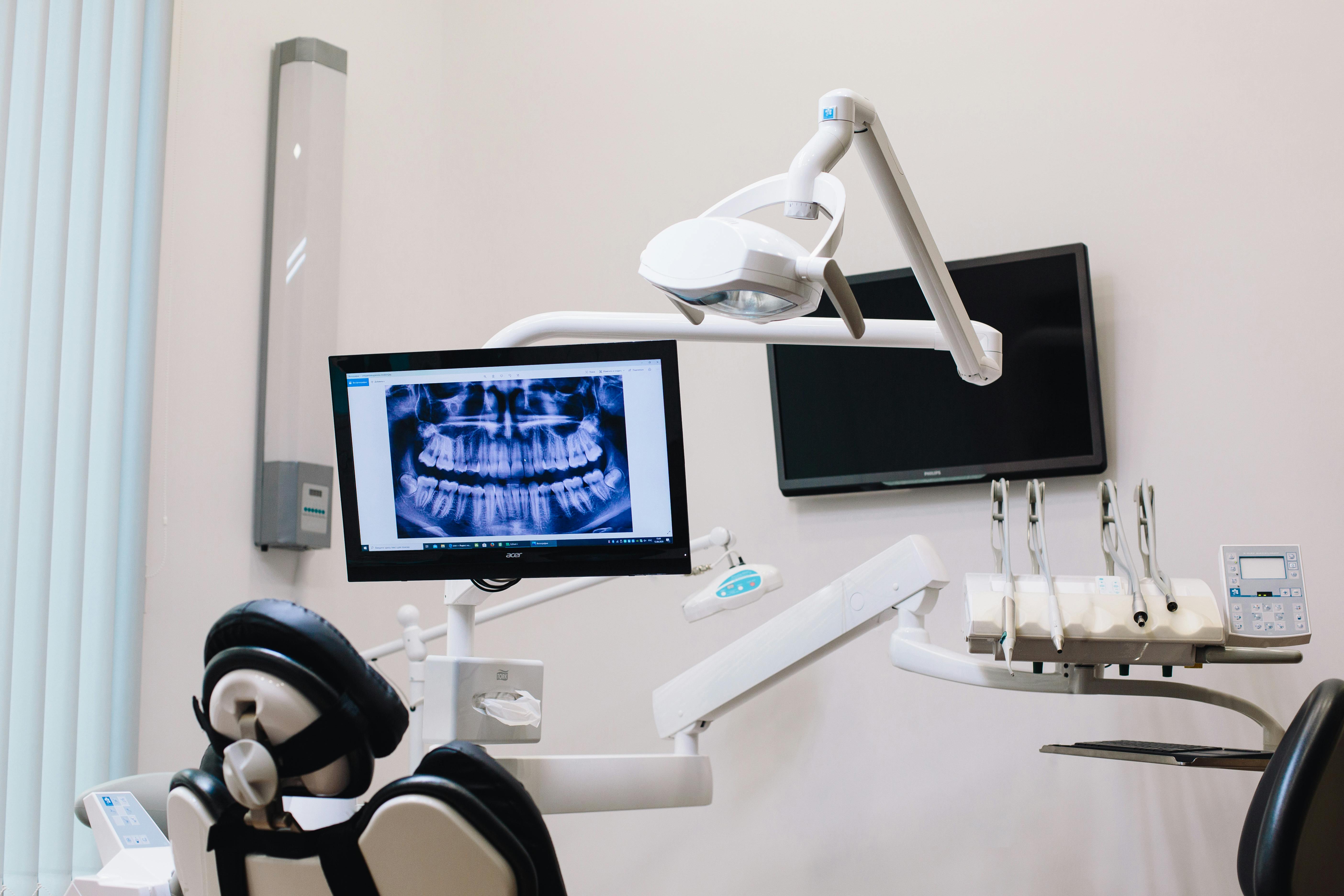
AI Dental Receptionist: Transforming Front Desk Efficiency
Learn how an AI dental receptionist helps dental practices answer calls, automate scheduling, reduce cancellations, verify insurance, and improve patient experience.

Best Scheduling Software for Service Businesses 2026
Discover the best scheduling software for service businesses, from Calendly and Acuity to Jobber and Housecall Pro, plus how AI phone answering helps capture phone-based bookings.

Phone Call Answering Service
Learn how phone call answering services work, compare live, AI, and hybrid options, and discover how 24/7 call answering can help your business capture more leads.

Conversational AI Phone Systems: 2026 Guide & Benefits
Learn how conversational AI phone systems work, their benefits, key features, industry use cases, implementation steps, security considerations, and 2026 trends.